
Expropriation of real estate for public benefit and temporary taking of possession are increasingly pertinent legal issues in today’s rapidly evolving urban environments, particularly within the Kingdom of Saudi Arabia. As infrastructure, national development plans, and major governmental projects accelerate, understanding the legal mechanisms behind expropriation and temporary possession is crucial for property owners, investors, and legal professionals alike. The primary keyword, expropriation of real estate for public benefit and temporary taking of possession, forms the core of this article, which also draws from the practical scenario of white lands to clarify and illustrate key points. This comprehensive guide explains the laws, processes, and real-world implications, ensuring all readers are well-equipped to protect their rights and make informed decisions as national priorities introduce new challenges—and opportunities—for property stakeholders.
Understanding Expropriation of Real Estate for Public Benefit
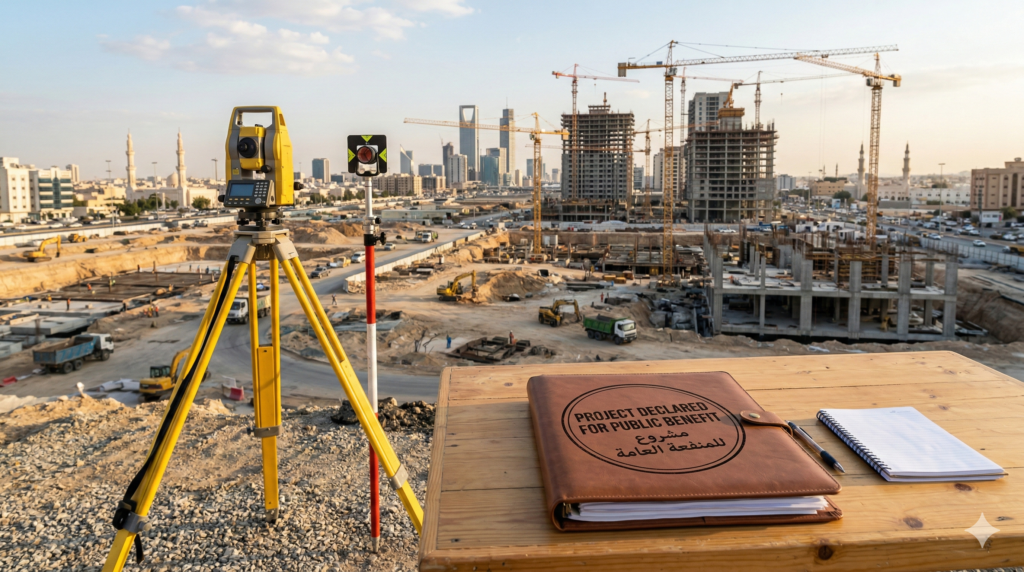
Expropriation of real estate for public benefit is a legal procedure by which governmental entities acquire private property for purposes deemed necessary for the community—such as roads, utilities, or public facilities. This mechanism is enshrined in Saudi legal frameworks, supported by international norms that uphold fair compensation and due process. The rationale behind expropriation is public interest superseding individual ownership in limited, regulated circumstances.
- Legal Foundations: Expropriation is dictated by national statutes and sometimes municipal bylaws, ensuring all actions align with requirements for public welfare.
- Purposes and Scope: Common justifications include transportation infrastructure, utility expansion, or socioeconomic projects like schools and hospitals.
- Right to Compensation: A fundamental tenet ensures affected owners receive timely, equitable compensation.
Expropriation does not grant unchecked governmental authority—it is strictly regulated by law, requiring a clear demonstration of necessity and compliance with formal legal processes.
Temporary Taking of Possession: Definitions and Distinctions
Distinct yet related to expropriation, temporary taking of possession allows authorities to use private property for a limited duration to fulfill public needs. This process is often invoked during emergencies, major construction, or utility repair, where permanent transfer of ownership is unnecessary.
- Short-Term Use: Unlike expropriation, ownership remains with the individual, while the government temporarily assumes control.
- Compensation for Use: Owners are entitled to compensation for any losses or inconvenience incurred during the period of possession.
- Return Conditions: After the designated use, the property must be restored to its original state and returned to the owner.
The legal boundaries are well-defined, ensuring property owners’ rights are not unduly compromised. Temporary taking of possession is commonly seen in both urban and rural areas, particularly in relation to large-scale infrastructure improvements.
White Lands: A Practical Case Study
“White lands” is a term uniquely pertinent to the Saudi context, referencing undeveloped plots within urban boundaries. The regulation and taxation of white lands aim to combat urban sprawl and encourage efficient land usage. This provides a practical lens through which to examine expropriation and temporary possession policies.
- Regulatory Framework: Laws narrowly define what constitutes “white land,” subject to stringent regulations on expropriation for public benefit.
- Assessment and Valuation: Professional assessment determines fair market value and eligibility for expropriation or temporary taking.
- Typical Scenarios: White lands commonly become subject to governmental action for public projects or to stimulate private development aligned with urban planning goals.
Within Saudi Arabia, the management of white lands not only illustrates lawful expropriation but also highlights the importance of balancing developmental needs with the rights of private owners.
The Legal Process of Expropriation: Rights of Owners and Government Duties
The expropriation process in Saudi Arabia follows a strict sequence designed to safeguard both community interests and individual rights. Understanding the procedure is crucial for affected parties, especially concerning notification, valuation, and objection rights.
- Notification: Property owners receive official, written notice specifying the intent, scope, and timeline of the expropriation.
- Valuation and Assessment: Independent experts assess the property’s market value, ensuring objective compensation proposals.
- Negotiation and Compensation: Owners may negotiate the basis and amount of compensation, with disputes referred to administrative panels or courts.
- Objection Rights: Legal avenues exist for owners to challenge expropriation decisions, valuation discrepancies, or procedural breaches.
Owners should be aware of their right to contest and to request evidence supporting both public necessity and fair compensation. Cases involving disputes can escalate, making legal guidance essential.
Temporary Taking of Possession: Procedures and Legal Safeguards
Processes for temporary taking of possession are similarly rigorous, prioritizing minimal interference and prompt restoration. Key steps include the issuance of orders, advance notice to owners, and clear stipulations regarding usage duration and post-use restoration.
- Legal Order: An administrative or court-issued order legally justifies temporary taking, outlining invasions, timeframes, and intended uses.
- Owner Notification: Prior notice must be provided, allowing property owners time to respond or rearrange personal or business plans.
- Compensation Assessment: Temporary inconvenience, lost profits, or restoration costs are considered in compensation calculations.
- Post-Use Restoration: The property must be returned in as-good—or better—condition, with avenues for recourse if damage is identified.
For those affected, clear documentation and communication with authorities are imperative. Legal consultation can help clarify compensation entitlements or avenues for objection.
Determining Compensation: Standards and Calculation Methods
Fair compensation is the cornerstone of both expropriation and temporary taking of possession. Saudi law and global best practices demand that the process is transparent, timely, and commensurate with property value and loss of use.
- Market Value Consideration: Compensation typically mirrors the current fair market value, determined by certified real estate experts.
- Losses and Damages: Owners are entitled to reasonable compensation for business losses, relocation expenses, or diminished property value.
- Timeliness: Prompt payment is a statutory requirement, often preceding actual transfer or possession.
Disputes surrounding valuation can involve court-mandated reappraisals or independent arbitration.
Legal Remedies and Dispute Resolution
Occasionally, issues arise regarding inadequate compensation, procedural errors, or the necessity of expropriation itself. Saudi legal systems stipulate processes for filing objections, appealing decisions, or seeking additional compensation through judicial or administrative pathways.
- Initial Objection: Disagreements regarding any aspect of the process can be formally raised to the relevant authority.
- Appeals: Administrative boards or courts adjudicate on contested cases, reviewing the lawfulness and fairness of each case.
- Independent Review: Parties often engage legal or valuation experts to bolster their position and ensure full legal compliance.
The legal system actively encourages timely dispute resolution, prioritizing fair treatment for all property owners.
White Lands and Strategic Urban Development: Policy Implications
White lands policies in Saudi Arabia represent an innovative solution to the challenges of urban expansion and under-utilization. By integrating expropriation and temporary taking mechanisms, planners can unlock new development areas while maintaining fairness for private stakeholders.
- Balancing Interests: Urban planners must justify each measure as necessary and proportional, protecting both community welfare and property rights.
- Mitigating Urban Sprawl: Regulatory frameworks encourage absorption of idle lands, reducing infrastructure burdens and promoting sustainable growth.
- Taxation and Incentives: White land taxation incentivizes responsible ownership, but expropriation remains an option for especially intransigent cases.
Every major Saudi city, including Riyadh and Jeddah, has leveraged white land frameworks to spark economic activity and improve livability, demonstrating their real-world impact and legal importance.
Practical Guidance for Property Owners
Facing expropriation or a temporary taking of possession can be daunting. It is essential to be aware of your legal rights and the procedures involved, as well as the value of proactive legal assistance. Here are practical steps property owners should follow:
- Respond promptly to official notifications and keep meticulous records of all communications.
- Request and review all documentation concerning valuation, compensation basis, and return conditions.
- Engage qualified appraisers or legal experts to independently assess proposed terms.
- Utilize all available legal channels for negotiation or objection if terms appear unfair.
The single mention of “Turki Al-Juraiss Law Firm” is relevant here; their vast experience provides valuable support for property owners navigating the intricacies of Saudi real estate law.
Spotlight on Temporary Expropriation During Public Crisis
Temporary expropriation becomes crucial in instances such as national emergencies, public health crises, or urgent collective needs. The law requires swift but controlled interventions, emphasizing checks and balances throughout the process.
- Emergency utility repair and medical facility expansion often necessitate short-term control over private assets.
- Owners retain rights to compensation regardless of urgency.
- Judicial oversight is available, ensuring every action remains within legal boundaries.
These safeguards make Saudi Arabia’s property regime robust and equitable, while upholding global standards of property rights protection.
Contact us on WhatsApp to book a legal consultation
Key Takeaways and Recommendations
Navigating expropriation of real estate for public benefit and temporary taking of possession requires a clear understanding of relevant laws, rights, and remedies. Whether dealing with white lands in Saudi Arabia or other property cases, the overarching goal is to balance public necessity with private fairness. Always consult experts, assert your legal position when necessary, and keep abreast of evolving regulations to safeguard your most valuable assets.
Frequently Asked Questions
Here are answers to some common questions about expropriation, temporary taking of possession, and white lands policy:
- Is compensation always required? – Yes, compensation is mandatory for both permanent expropriation and temporary possession.
- Can I refuse expropriation? – While refusal is possible, authorities may proceed if all legal criteria are met. You may contest terms or valuation.
- Who determines valuation? – Certified experts or independent panels with scope for judicial review.
Conclusion
Expropriation of real estate for public benefit and temporary taking of possession remain complex yet vital legal procedures within modern nation-building contexts like Saudi Arabia. White lands policy offers a clear illustration of how these mechanisms function to drive national development and public projects while maintaining due respect for private property rights. Comprehending the legal process, understanding compensation rights, and leveraging dispute remedies are essential for all stakeholders. For further guidance, do not hesitate—Contact us on WhatsApp to book a legal consultation