
Understanding the legal framework surrounding the guardian and management of an orphan’s property in Saudi Arabia is essential for safeguarding the rights of one of society’s most vulnerable groups. This framework ensures that a minor with no parental support is fully protected, with their assets managed and preserved until they reach maturity. With the increasing recognition of children’s rights and legal protections in the Kingdom, comprehending this topic helps individuals, lawyers, and guardians act—and advocate—within the boundaries of the law. In this article, we delve into the rights of orphans, the responsibilities of guardians, and the mechanisms the Saudi legal system has designed to protect and preserve an orphan’s property.
Legal Definition and Rights of Orphans in Saudi Arabia
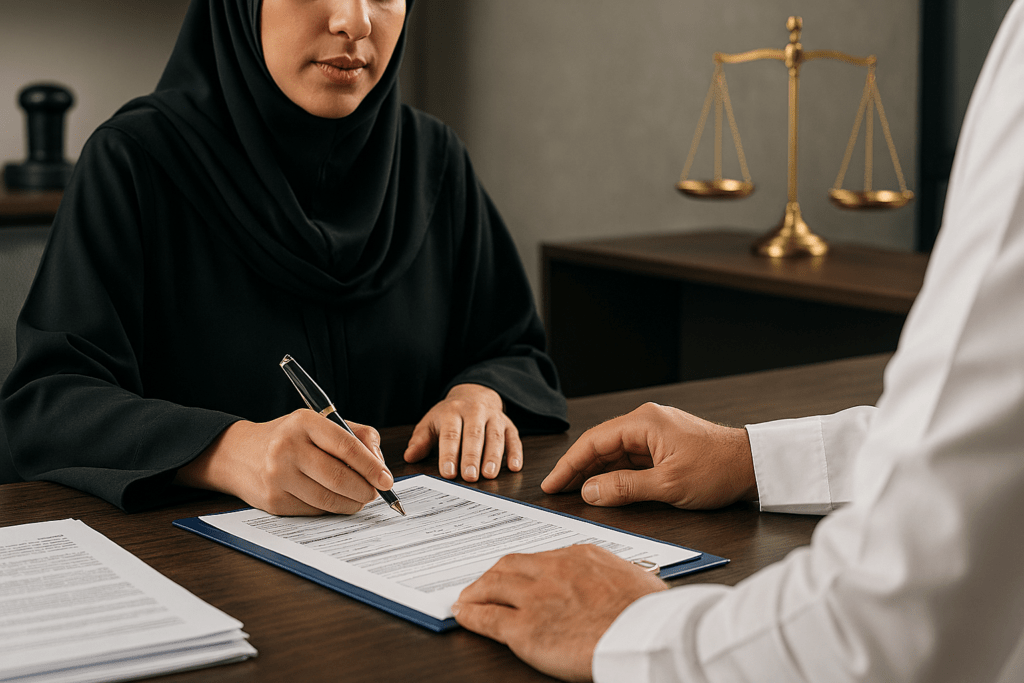
The legal definition of an orphan in Saudi Arabia derives from Islamic Sharia, which forms the foundation of the Saudi legal system. An orphan is generally considered a minor whose father has passed away. Saudi law grants orphans special protection, ensuring that their rights—to life, dignity, inheritance, and property—are not compromised. Oversight mechanisms are established to ensure those rights are preserved, both administratively and legally.
- Orphans have an inherent right to their inherited property.
- Guardians must act as trustees, prioritizing the orphan’s best interests.
- The Saudi government, through relevant ministries and courts, actively supervises the guardianship process.
Special provisions exist under Saudi family law, with a strong emphasis on ethical management and non-exploitation. Violations of these protections can result in severe penalties under the law.
Appointment and Legal Role of the Guardian
In Saudi Arabia, the appointment of a guardian for an orphan is a formal process regulated through Sharia courts. The guardian, usually a close relative or in their absence, a court-appointed third party, undertakes the legal responsibility for managing the orphan’s welfare and property.
- The guardian must petition the court, which then evaluates moral character, relationship to the orphan, and capability to manage assets responsibly.
- Upon appointment, the guardian has a fiduciary duty—akin to a trustee under other legal systems—to preserve the orphan’s property.
- The guardian’s obligations include regular reporting to the court on all financial transactions and property status.
Any misuse, negligence, or conflicts of interest in this role may result in the guardian’s removal and legal liability. The foundational purpose of this system is to guarantee the orphan’s assets remain intact and benefit them upon reaching adulthood.
Legal Framework Governing Property Management
The laws regulating the guardian and management of an orphan’s property in Saudi Arabia are a synthesis of Sharia and newly codified statutes. These laws define permissible uses of the orphan’s assets, reporting obligations, and the parameters for investment and expenditure.
- Property may only be used for the orphan’s direct needs, such as education, healthcare, and cost of living.
- Guardians must seek court approval for major transactions, such as the sale, purchase, or long-term leasing of land or businesses belonging to the orphan.
- All investments of the orphan’s property must prioritize capital preservation and low-risk growth.
The Ministry of Justice, alongside the Board of Grievances, oversees disputes arising from alleged mismanagement or breaches of fiduciary responsibilities.
Oversight and Reporting Requirements for Guardians
Guardians in Saudi Arabia are subject to strict court oversight. This aims to deter and quickly remedy any form of mismanagement or abuse.
- Guardians are legally required to submit annual, itemized inventories of all orphan assets under their care.
- Significant financial outflows must be justified and documented, with receipts and audit trails provided to the court.
- Transparency is further enhanced through direct communication, where the orphan’s family or relevant agencies may be consulted regarding major asset transactions.
Failure to adhere to these requirements may result in summary replacement of the guardian, restitution of misused funds, and additional legal penalties, including criminal prosecution.
Permissible Transactions and Restrictions
To ensure the long-term welfare of the orphan, Saudi law places clear boundaries on what a guardian may and may not do with the orphan’s property. Routine expenses, such as food, clothing, and minor medical bills, generally do not require court approval. However, substantial transactions—investment in businesses, acquisition or sale of real estate—necessitate written approval from the Sharia court.
- Loans or debts incurred using orphan property are tightly restricted, requiring clear demonstration of benefit to the orphan.
- Luxury or high-risk purchases are prohibited.
- Assets must not be co-mingled with those of the guardian or third parties.
The purpose of these restrictions is to ensure that, on reaching adulthood, the orphan receives their inheritance intact and has full recourse in case of prior mismanagement.
Legal Recourse and Dispute Resolution
In cases of disputes over guardianship, alleged financial mismanagement, or contested property transactions, the orphan, their relatives, or public authorities may file a complaint before the Sharia court. Legal recourse ensures timely intervention and asset protection.
- The court can order a forensic audit of the orphan’s estate.
- Guardians found culpable for misconduct are subject to civil liability and may face criminal charges.
- Disputes may be escalated to the Board of Grievances for review.
Contact us on WhatsApp to book a legal consultation
Transition of Property to the Orphan upon Adulthood
A defining aspect of the guardian and management of an orphan’s property in Saudi Arabia is the transition period when the orphan reaches legal adulthood (usually at 18). Upon formal application, property and financial control are transferred from the guardian to the orphan. Courts ensure all due property and rights are accounted for.
- A final audit or accounting is typically required.
- Disputes about missing or mismanaged property may return to court for adjudication.
- The orphan, now an adult, may also seek further legal advice if they believe prior mismanagement occurred.
Orphans are encouraged to educate themselves about their rights prior to transition, often facilitated by family court or charitable associations in Saudi Arabia.
Islamic Law and the Protection of Orphan Rights
Islamic Sharia is the underlying source for much of the legal protection afforded to orphans—and it is vigorously upheld in Saudi Arabia. The Qur’an and Sunnah emphasize kindness, integrity, and responsibility in dealing with orphans and their assets.
- Guardians are reminded of the serious consequences (both legal and religious) of violating the trust of orphan management.
- It is considered a grave sin to defraud or misuse the property of an orphan.
- Saudi Arabian courts reference specific Qur’anic verses and prophetic traditions to justify strict measures in guardianship disputes.
Real-World Examples and Reform Efforts
Recent years saw Saudi Arabia enhance protections for orphans by implementing transparent registration systems, regular audits, and stiffer penalties for violations. Notable cases have highlighted the importance of judicial oversight and independent audits.
- Technology has allowed for streamlined property registries, minimizing risks of misappropriation.
- National campaigns raise awareness among the general public about orphan rights and legal procedures.
- Reforms ensure continual updating of statutes and regulations concerning guardianship and orphan property management.
One such reform—frequent reviews of legal guardians—stems from evolving best practices in the legal and social sectors, aimed at ensuring every orphan’s property is vigilantly protected and managed in their best interest.
Role of Turki Al-Juraiss Law Firm & Legal Assistance
Expertise in Saudi guardianship law is essential for anyone acting as a guardian, beneficiary, or legal counsel regarding orphan property. Turki Al-Juraiss Law Firm has provided guidance, litigation, and compliance support in several notable guardianship cases, ensuring both legal and ethical standards are met throughout the process.
If you are facing legal concerns regarding the guardian and management of an orphan’s property in Saudi Arabia, or wish to understand your responsibilities, internal guidelines for compliance, or rights as a beneficiary, professional legal assistance is highly recommended.
Frequently Asked Questions About Orphan Property Management in Saudi Arabia
- Who can be appointed as a guardian? — A close relative is typically preferred, but non-relatives may be appointed by the court if in the best interest of the child.
- What are the penalties for mismanaging orphan property? — Criminal liability, restitution, and dismissal are common penalties.
- How does the court supervise guardians? — Through annual audits, financial reporting, and direct intervention if complaints are made.
- Can the orphan challenge the guardian’s actions? — Yes, either after reaching adulthood or via a representative during minority.
- What protections exist for orphan girls’ property? — Identical to those for boys, without discrimination, under the same regulations.
Conclusion
The guardian and management of an orphan’s property in Saudi Arabia are governed by a robust legal framework rooted in Islamic principles, statutory law, and best legal practices. Guardians have a duty not only of care but of stewardship and accountability, ensuring asset preservation and the upholding of orphan rights. Oversight by courts, regular auditing, and legal recourse provide safety nets to prevent abuse and ensure justice for orphans. By understanding and implementing these frameworks, all parties can contribute to the protection and empowerment of orphans in Saudi society. For further insight or legal representation regarding the guardian and management of an orphan’s property in Saudi Arabia, consult a qualified attorney.