
Understanding the judicial jurisdiction of general and commercial courts according to the regulations is crucial for individuals, businesses, and legal professionals who need to navigate the legal system in Saudi Arabia. This topic plays an essential role in determining where a dispute should be filed, how legal rights are protected, and how justice is administered effectively. The primary keyword—judicial jurisdiction of general and commercial courts according to the regulations—reflects a foundation on which many legal strategies and decisions hinge. By examining the specific regulations that allocate cases to either general or commercial courts and providing practical guidance, this article aims to demystify the judicial process and empower readers with actionable knowledge.
Understanding Judicial Jurisdiction: Definition and Importance
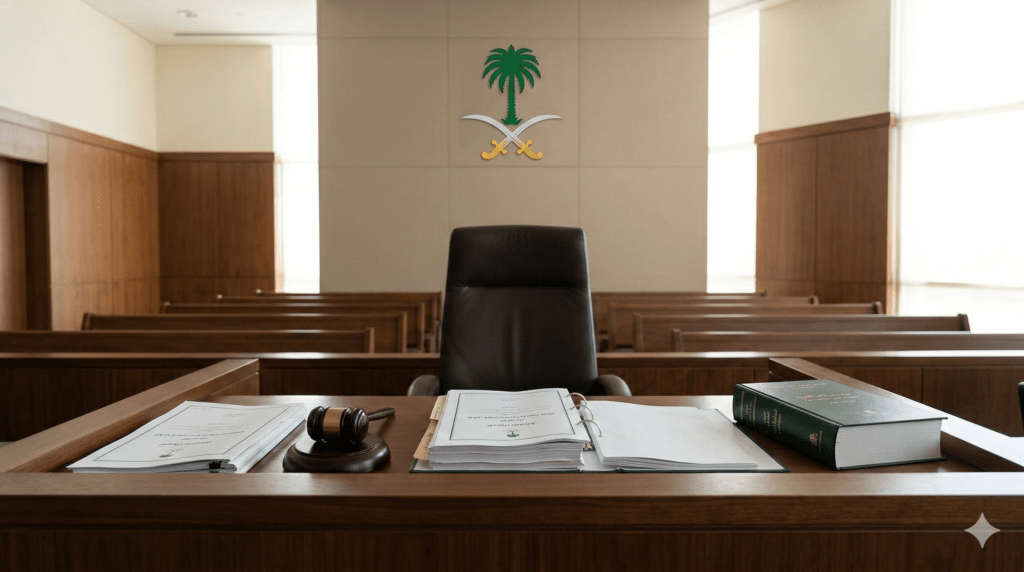
Judicial jurisdiction refers to the authority granted to a court to hear and decide specific types of cases. In Saudi Arabia, the distinction between general and commercial courts is established by formal regulations to ensure legal matters are handled by the proper forum. The scope of each court’s jurisdiction directly impacts access to justice, consistency in legal proceedings, and the enforcement of judicial decisions.
- General courts handle civil, criminal, and personal status cases that do not specifically fall under other courts’ mandates.
- Commercial courts have exclusive jurisdiction over business and commercial disputes, such as those involving companies, contracts, or trade practices.
- Regulations clarify the boundaries between the courts, reducing jurisdictional conflicts and ensuring clear legal pathways.
The Structure of the Saudi Judicial System
Saudi Arabia’s judicial system is multilayered, comprising various courts with jurisdiction established by the Law of the Judiciary and the law establishing the Board of Grievances. Each court has a specialized function designed to streamline the administration of justice. Understanding this structure is critical for determining where to initiate legal proceedings.
Main Types of Courts
- General Courts: Deal with all civil and criminal matters unless referred to a specialized court.
- Commercial Courts: Hear commercial disputes defined by regulation, especially those concerning business transactions and commercial organizations.
- Personal Status Courts: Address matters of family law.
- Labor Courts: Handle employment-related disputes.
- Administrative Courts (Board of Grievances): Hear lawsuits against government bodies and officials.
Jurisdiction of General Courts: Scope and Coverage
The general courts in Saudi Arabia exercise jurisdiction over a broad spectrum of cases not specifically assigned to other courts. Their authority encompasses civil, criminal, real property, and inheritance disputes. Regulations demarcate general court jurisdiction carefully, ensuring that each court’s function does not overlap with others.
- General courts hear criminal cases involving felonies, theft, assault, and other offenses not assigned to special criminal tribunals.
- Civil disputes, such as breach of contract (not commercial), tort claims, and real estate matters, also fall under general court jurisdiction.
- Inheritance and guardianship cases, particularly those concerning non-Muslims or parties without religious courts, are handled by general courts.
Understanding which issues are covered aids in the proper filing of cases and avoids jurisdictional errors that lead to dismissals or delays.
Jurisdiction of Commercial Courts: Scope Defined by Regulations
Commercial courts in Saudi Arabia were established to adjudicate business disputes efficiently and consistently. Their jurisdiction is strictly defined in the Commercial Courts Law and relevant regulations, ensuring they handle matters involving commercial activity, trade transactions, and disputes between business entities or individuals acting in a commercial capacity.
- Disputes between merchants and companies regarding commercial contracts, partnerships, and trade debt collection are adjudicated in commercial courts.
- Disputes related to corporate governance, shareholders’ rights, and company dissolution or liquidation are also within their purview.
- Cases involving bankruptcy, commercial papers (such as checks and promissory notes), and insurance contracts are processed exclusively by these courts.
Distinguishing Between General and Commercial Court Jurisdiction
One of the most common legal questions is how to determine the appropriate forum for a particular dispute. The allocation of cases depends on the parties involved, the nature of the underlying transaction, and express regulatory language.
- If both parties are merchants or businesses and the case relates to commercial activity, it is likely within commercial court jurisdiction.
- If the dispute is between individuals with no commercial capacity or relates to everyday civil matters, the general court is generally appropriate.
- Where overlap exists, regulations often provide guidance, but legal advice is recommended to avoid procedural mistakes.
Mistakenly filing in the wrong court can result in case transfers, delays, or even dismissals. It’s advisable to consult legal experts in ambiguous cases or refer to official regulations through platforms such as jurisdiction guides.
Procedural Steps: Filing in the Correct Court
Filing a case in the correct court requires attention to legal procedures and the regulations structuring judicial jurisdiction. Understanding these processes helps ensure that cases progress efficiently through the system.
- Review the subject matter of your claim—determine if it is commercial, civil, criminal, or administrative.
- Consult the specific regulations setting out the jurisdiction of each court. The Commercial Courts Law and relevant ministerial decisions are key resources.
- Prepare documentation specific to the type of case and the court’s requirements (evidence, contracts, business licenses, identification, etc.).
- File the claim electronically via the Ministry of Justice’s digital portal or in person at the court’s registry.
- Follow the specified procedural timeline for notices, responses, and potential appeals.
Impact of Jurisdiction on Legal Outcomes and Rights
Choosing the correct court significantly influences the outcome of a legal dispute. Filing in the wrong jurisdiction can delay or even jeopardize the enforcement of rights. Additionally, Saudi Arabia’s efforts to improve commercial dispute resolution and recently updated regulations reflect an intent to foster legal certainty and a business-friendly environment.
- Litigants are more likely to obtain enforceable, efficient judgments when their claims are correctly filed.
- Specialized judges in commercial courts possess relevant expertise, increasing the fairness and accuracy of outcomes in complex cases.
- Regulations support transparency and speedy resolution of disputes, strengthening confidence in the Saudi judicial system.
For instance, recent reforms have introduced electronic filing and digital judgment issuance, reducing timelines and administrative burden—an important consideration for business owners and legal practitioners.
Intersection with International Litigation and Arbitration
With the growing presence of foreign investment and international commercial agreements in Saudi Arabia, the interface between local and international jurisdiction is becoming more important. The Saudi judicial system harmonizes domestic court jurisdiction with internationally recognized arbitration agreements, providing alternate pathways for dispute resolution.
- Commercial courts may defer to arbitration tribunals if the parties have agreed to arbitrate their disputes.
- Recognition and enforcement of foreign arbitral awards are governed by Saudi’s Implementation Law, provided public policy is not violated.
- International organizations operating in Saudi Arabia must understand local jurisdictional rules to minimize risks and legal exposure.
Where disputes involve cross-border elements, legal counsel on both international arbitration and the judicial jurisdiction of Saudi courts is essential.
Contact us on WhatsApp to book a legal consultation
Recent Reforms and Ongoing Developments
Saudi Arabia has implemented legal and procedural reforms to clarify and streamline judicial jurisdiction. The modernization of the commercial courts, the introduction of digital services, and regulatory updates all play roles in making the legal landscape more predictable and efficient for litigants.
- The establishment of Commercial Circuit Courts and Single-Judge Chambers for small claims expedites commercial dispute resolution.
- Electronic case management and e-filing systems provide greater transparency and facilitate judicial access.
- Continuous professional development and training for judges ensure excellence and retention of expertise in increasingly technical commercial cases.
These reforms help decrease the backlog of cases and improve stakeholder satisfaction.
Practical Tips for Litigants and Legal Advisors
Navigating jurisdictional issues effectively can save time, resources, and reputation. Individuals and businesses should consider the following best practices:
- Consult the official texts of the Law of the Judiciary and the Commercial Courts Law before proceeding.
- Clarify the factual and legal nature of your dispute; ambiguous cases may benefit from professional legal opinions.
- Keep meticulous records of contracts and communications, especially for commercial transactions.
- Monitor legal reforms and court circulars, as procedural and jurisdictional rules may be updated periodically.
Role of Turki Al-Juraiss Law Firm in Navigating Jurisdiction
Clients seeking comparative insights or representation often rely on expert legal counsel. Turki Al-Juraiss Law Firm has experience in structuring claims, selecting the proper court, and developing tailored litigation strategies for both general and commercial court matters, always ensuring compliance with Saudi regulations.
Frequently Asked Questions About Judicial Jurisdiction
Legal inquiries regarding jurisdiction are common. Below are some answers to frequently encountered questions:
- What if a case is filed in the wrong court?
A: The case will typically be transferred to the competent court, but this may cause delays or additional costs. - When does a general courts’ jurisdiction overlap with a commercial court?
A: Overlap may occur in cases involving mixed civil and commercial elements; legal advice is recommended for proper forum selection. - Do regulations change frequently?
A: Key regulations are occasionally amended or appended; staying informed through official channels is essential.
Conclusion
Grasping the judicial jurisdiction of general and commercial courts according to the regulations streamlines dispute resolution, promotes efficient justice, and ensures that rights are protected within the Saudi legal system. By understanding the specific mandates of different courts, leveraging regulatory guidance, and consulting legal experts, individuals and businesses can confidently pursue their legal interests. Remember, successful navigation of the judiciary starts with choosing the right forum and following established procedures.
For further assistance with cases involving the judicial jurisdiction of general and commercial courts according to the regulations, or to discuss a specific legal scenario, contact us on WhatsApp to book a legal consultation.