
The growing emphasis on societal harmony and personal security makes the Anti Harassment Crime Law and strengthening reporting and legal accountability an urgent legal topic. In today’s environment, harassment can compromise an individual’s well-being at work, in public spaces, and online. Recognizing the severity and impact of harassment, legislative authorities in Saudi Arabia have enacted robust laws to criminalize such behavior, encourage reporting, and place a heavier focus on holding perpetrators legally accountable. This article explores the framework, mechanisms, and best practices around the Anti Harassment Crime Law, including how recent legislative reforms have increased avenues for reporting and the critical importance of legal accountability in prevention efforts. Understanding these elements is vital for building a safer and more respectful society for all.
Understanding the Anti Harassment Crime Law in Saudi Arabia
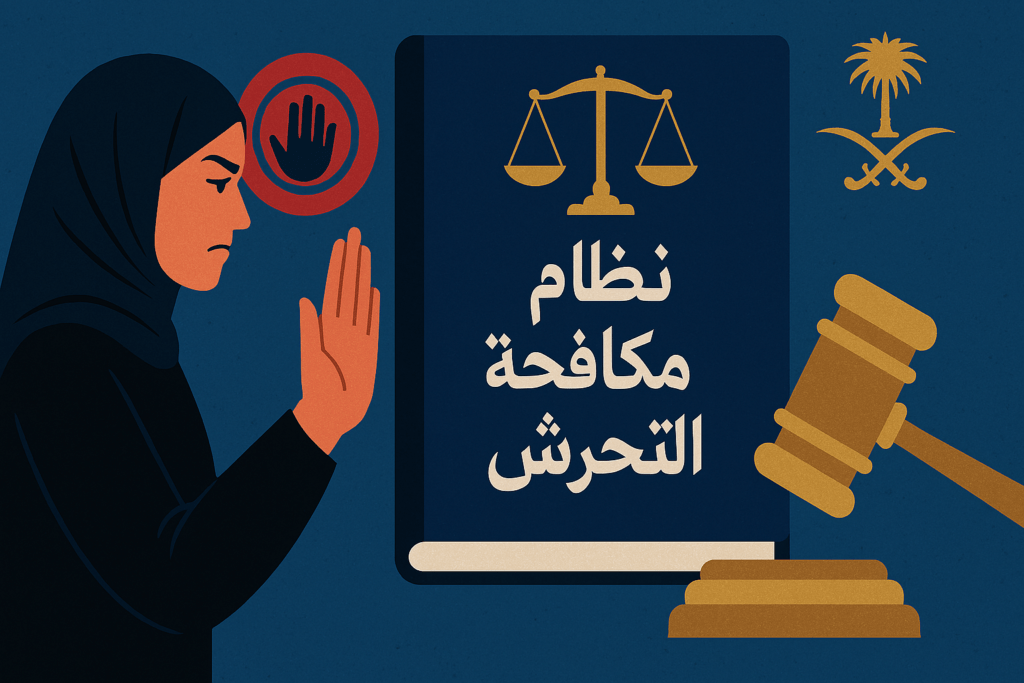
The Anti Harassment Crime Law in Saudi Arabia was established to create an inclusive, secure environment by prohibiting all forms of harassment. Whether physical, verbal, digital, or psychological, harassment is now recognized as a crime with clear definitions and severe penalties. The law aims to deter would-be offenders and reassure victims that they are protected under the law.
- Scope: Covers public and private spaces, including workplaces, educational institutions, and digital platforms.
- Types of Harassment: Includes unwelcome advances, inappropriate communications, threats, and physical intimidation.
- Legal Definitions: The law meticulously outlines what constitutes harassment, providing clarity and consistency for enforcement.
- Penalties: Offenders may face imprisonment, fines, or both, depending on the nature and severity of the crime.
This comprehensive approach aligns with international standards and fosters progress within the Saudi legal framework.
Strengthening the Culture of Reporting
Reporting harassment is the cornerstone of combating this issue. The Anti Harassment Crime Law contains several provisions designed to make the reporting process accessible, confidential, and free from retaliation. In Saudi Arabia, cultural, societal, or institutional barriers historically discouraged victims from coming forward. However, recent reforms and public campaigns have dramatically shifted perceptions.
- Confidentiality: Protection of the victim’s identity is a top priority for authorities.
- Accessible Channels: Multi-platform reporting is enabled via police stations, hotline numbers, digital portals, and employer channels.
- Whistleblower Protections: Whistleblowers and those who report harassment in good faith are legally shielded from reprisal.
Such features not only improve reporting rates but also foster a climate where victims and witnesses feel empowered to act.
Promoting Awareness and Reporting in the Workplace
Workplaces present unique challenges regarding harassment. Many organizations, in compliance with the law, have implemented dedicated reporting channels, employee training, and internal investigation procedures. Awareness programs inform workers about their rights, responsibilities, and the steps to take if harassment occurs.
Legal Accountability and Its Impact on Prevention
Holding offenders accountable is essential to deter future incidents and ensure justice for victims. The Saudi Anti Harassment Crime Law places a premium on thorough investigation and fair adjudication of such cases.
- Prompt Legal Action: Authorities are required to investigate complaints rapidly and thoroughly.
- Clear Penalties: The law prescribes specific penalties—prison time, fines, or both—to ensure proportionality.
- Public Awareness: Publishing court decisions and legal outcomes serves as a deterrence mechanism.
Consistent and transparent legal responses reinforce public confidence and discourage future violations.
Key Roles of Law Enforcement and the Judiciary
Law enforcement agencies are empowered to respond quickly to complaints, collect evidence, and protect the safety of all parties. The judiciary, meanwhile, is tasked with interpreting the law objectively and ensuring justice is served.
- Investigating promptly and impartially
- Protecting the privacy and dignity of victims
- Applying penalties that match the offense
The Role of Technology in Reporting and Evidence Gathering
Digital platforms have revolutionized the process of reporting and prosecuting harassment. The use of secure online portals allows survivors to submit complaints from the safety and anonymity of their own environment.
- 24/7 accessibility for submitting complaints and evidence
- Multi-lingual options for diverse communities
- Integration with police and judicial systems
Technological innovations also support evidence preservation, including storage of digital communications, messages, and media files for successful prosecution.
Contact us on WhatsApp to book a legal consultation
Overcoming Barriers to Justice for Victims
Despite extensive provisions, victims may still face challenges, such as fear of social stigma, workplace retaliation, or doubts about process fairness. The Anti Harassment Crime Law specifically outlaws retaliation and wrongful dismissal due to a harassment complaint.
- Legal support for wrongfully terminated complainants
- Punitive measures for retaliatory actions
- Guidance for vulnerable groups, ensuring no one is excluded from protection
For related legal protection topics, see the article on legal rights of employees in Saudi Arabia.
International Comparison and Evolving Best Practices
The Saudi Anti Harassment Crime Law shares principles with global harassment prevention frameworks but is tailored to cultural, societal, and legal dynamics within the Kingdom. Among the best practices are regular legal updates, integration of digital solutions, and community engagement initiatives to further decrease incidents and ensure adherence to the law.
Contact us on WhatsApp to book a legal consultation
Case Examples: Application of the Anti Harassment Crime Law
Examining historical and recent cases provides insight into how thoroughly the law is applied in both public and private settings. Offenders have been prosecuted for harassment in the workplace, public venues, and digital spaces. Named legal proceedings and public records highlight the legal system’s commitment to justice.
- Cases involving workplace harassment and employer liability
- Incidents of cyberstalking and prosecution of online offenders
- Sentences reflecting the harm caused to victims
These precedents encourage adherence and emphasize the importance of legal accountability.
How Individuals and Employers Can Foster a Safe Environment
A safe environment requires proactive involvement from all community members. Individuals are encouraged to familiarize themselves with their rights, vigilant reporting of harassment incidents, and supporting those who come forward.
- Accessing trustworthy legal advice
- Promoting anti-harassment policies in workplace and social spaces
- Encouraging open dialogue and support for survivors
Employers must establish robust reporting protocols and provide ongoing training to all employees.
The Unique Value of Legal Counsel
Consulting a qualified lawyer ensures that victims and accused individuals receive proper guidance throughout the reporting, investigation, and litigation phases. For instance, the Turki Al-Juraiss Law Firm has played a significant role in providing clear legal pathways and ensuring compliance with local and national anti-harassment regulations.
Frequently Asked Questions: Anti Harassment Crime Law
Q: What actions are considered harassment under Saudi law?
A: Harassment encompasses a wide range of unwanted behaviors, whether physical, verbal, visual, or digital, that violate personal privacy, dignity, or safety.
Q: How can I report harassment confidentially?
A: Victims may use secure online portals, direct reporting to employers or the police, and special hotlines. Whistleblower protections remain in effect.
Q: What are the penalties for confirmed harassment?
A: Offenders are subject to imprisonment, fines, or both, based on the nature and recurrence of the behavior.
Q: Can victims face retaliation?
A: Retaliation is expressly prohibited and subject to additional legal penalties.
Conclusion: The Future of Anti Harassment Crime Law and Strengthening Reporting and Legal Accountability
To conclude, the Anti Harassment Crime Law and strengthening reporting and legal accountability remains a powerful tool for building a safer and more respectful Saudi society. Robust definitions, strong reporting mechanisms, digital innovations, and unwavering legal accountability have significantly curbed harassment and empowered victims. Continual assessment, education, and societal involvement are vital to ensure this law’s ongoing effectiveness—protecting individuals in workplaces and beyond.