
The subject of bankruptcy of commercial companies and the legal rights of creditors in the Kingdom of Saudi Arabia is increasingly crucial in today’s economic climate. Creditors, investors, suppliers, and business partners all face significant risks when a commercial entity is unable to fulfill its financial obligations. In Saudi Arabia, the complex interplay between business survival, creditor protection, and legal frameworks creates a dynamic environment that all stakeholders must navigate. This article provides an in-depth exploration of Saudi bankruptcy laws, creditor priorities, legal recourse, and protective mechanisms, highlighting the tools available for creditors when companies face financial distress.
Understanding Bankruptcy Laws in Saudi Arabia
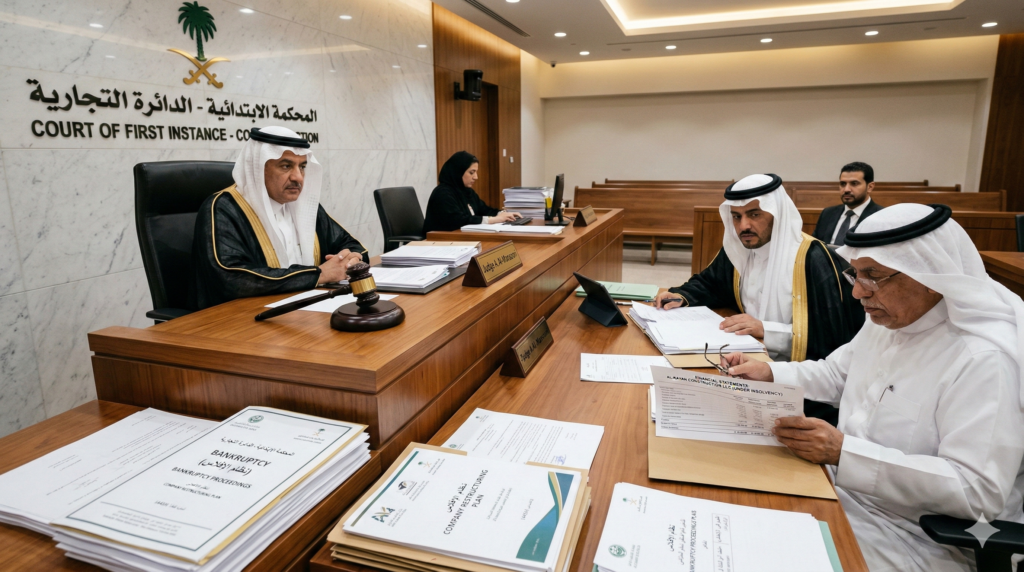
Saudi Arabia’s contemporary approach to bankruptcy is rooted in the Bankruptcy Law (Nizam Al-Iflaas), which was enacted in 2018 to modernize insolvency procedures, encourage entrepreneurship, and protect creditors. The law introduces clear procedures for liquidation, financial reorganization, and preventive settlements, offering legal clarity and predictability to all parties involved. This systematic approach aligns with international best practices while retaining features unique to the Saudi legal environment.
- Scope of the Bankruptcy Law: Applies to all commercial companies and traders operating within Saudi Arabia.
- Objectives: To balance the interests of debtors and creditors, ensure fair asset distribution, and safeguard economic stability.
- Types of Proceedings: Includes preventive settlement, financial reorganization, and liquidation procedures to address varying levels of financial distress.
The law empowers both debtors and creditors to initiate bankruptcy procedures, introducing transparency and consistency to the process. For further details on commercial litigation, see our commercial litigation overview.
Who are Creditors and What Rights Do They Hold?
Creditors are individuals or entities to whom a bankrupt company owes money. In Saudi bankruptcy proceedings, creditors are classified based on the nature and priority of their claims. Recognizing these distinctions is essential, as they impact how much a creditor can recover during bankruptcy. There are three primary categories:
- Secured Creditors: Hold specific assets as collateral against their loans (e.g., mortgages, pledges).
- Unsecured Creditors: Hold no collateral, relying upon contractual agreements or statutory obligations for repayment.
- Preferential Creditors: Are given special status by law, such as employees (for unpaid wages) and government authorities (for taxes).
The legal rights of creditors in the Kingdom of Saudi Arabia are well-defined, prioritizing claims and protecting interests through legal frameworks and procedural safeguards.
Initiating Bankruptcy Proceedings: The Creditor’s Perspective
Creditors who suspect a company’s insolvency can play an active role in bankruptcy proceedings. According to Saudi law, a creditor may file a bankruptcy petition with the relevant court if evidence of persistent non-payment exists. The procedures outlined below govern a creditor’s application:
- Submit a formal application quoting specific debts and details of non-payment.
- Provide supporting documentation, such as invoices, loan contracts, or court judgments.
- Await judicial review and preliminary hearings where both debtor and creditor may submit evidence.
- If accepted, the court appoints a trustee to administer the bankruptcy process and notify all creditors to register their claims.
Timely initiation ensures creditors are included in the official list of claimants, enabling them to exercise voting rights and receive potential payouts. For more on legal procedures, consider reading our guide to legal procedures in business disputes.
The Hierarchy of Claims and Distribution of Assets
During bankruptcy, one of the central concerns for creditors is the hierarchy of claims. Saudi law strictly regulates the order in which assets are distributed among claimants to maximize fairness and minimize disputes:
- Secured creditors receive payment first, up to the value of their collateral.
- Preferential creditors, including employees (for wages and end-of-service benefits) and tax authorities, follow next.
- Unsecured creditors claim the remaining assets.
- Any leftover assets, after all debts are satisfied, are distributed among shareholders.
This system helps ensure creditors are treated equitably, reducing the risk of arbitrary or unfair distribution.
Legal Protections and Remedies for Creditors
Saudi Bankruptcy Law provides various legal protections for creditors, helping to mitigate loss and enforce agreements:
- Creditors’ Committees: Groups representing creditors are formed to oversee and participate in key decisions during bankruptcy, including liquidation or reorganization plans.
- Restructuring Rights: Creditors may vote on restructuring proposals, offering opportunities to approve or reject reorganization plans that impact debt repayment.
- Fraudulent Transfer Prevention: The law prohibits debtors from transferring assets unfairly or favoring particular creditors prior to bankruptcy. Such transactions are voidable to protect the broader creditor pool.
- Stay of Individual Actions: Once bankruptcy is declared, individual lawsuits or enforcement actions are automatically paused, centralizing dispute resolution within the bankruptcy proceedings.
Legal remedies include claim registration, objection mechanisms, and participation in collective negotiations. Creditors can also engage with the bankruptcy trustee, providing information or challenging asset valuations where necessary.
The Importance of Secured Credit and Collateral
Collateralized (secured) credit is highly advantageous in Saudi bankruptcy scenarios, offering improved recovery prospects if a company fails. Common forms of security include mortgages, pledges over shares or movable assets, and bank guarantees. To maximize protection, creditors are advised to ensure all security interests are formally registered and recognized by relevant authorities. LSI keywords such as “secured debt,” “collateral,” and “pledge” are integral to understanding these concepts.
The legal system grants priority to secured creditors, making collateral arrangements essential for risk management in corporate finance. For advice on creating enforceable security, see the contract drafting section of our website.
Preventive Settlement and Reorganization: Alternatives to Liquidation
Bankruptcy does not always mean liquidation. Saudi law provides preventive settlement and reorganization procedures, allowing struggling companies to present proposals that may preserve their business and offer creditors higher returns:
- Preventive Settlement: Enables negotiations for debt restructuring, repayment plans, or asset swaps, supervised by the court.
- Financial Reorganization: Involves a detailed reorganization plan, subject to creditor approval, that could involve delays in payment, partial write-offs, or asset reallocation.
Both mechanisms create opportunities for creditors to recover more than might be available in a straight liquidation, and they are often used in cases where the business remains fundamentally viable.
Creditors’ Role in Bankruptcy Trusteeship and Oversight
Once bankruptcy is declared, a court-appointed trustee (often a professional law firm or auditing office) assumes control of the debtor’s assets and management. Creditors are encouraged to engage closely with the trustee to ensure transparent communication, proper valuation, and effective distribution.
- Creditors may call for formal meetings, raise objections, or request additional audits of asset registers.
- Supervisory roles also include reviewing major decisions, such as asset sales or compromise agreements.
Active involvement provides confidence in the process and helps prevent mismanagement, fraud, or asset diversion. Engaging experienced commercial law professionals is often recommended during this phase.
Obstacles and Challenges Facing Creditors
While legal provisions exist to safeguard creditor rights, practical challenges sometimes arise:
- Inadequate documentation or lack of formal contracts can hinder claim recognition.
- Complex cross-border claims may face delays, especially if the company has international operations.
- Delays in asset liquidation and valuation affect timely distribution of proceeds.
- Potential conflicts arise among different classes of creditors regarding claim priorities.
Proactive documentation, timely claim filing, and legal guidance are essential for overcoming these obstacles.
Recent Reforms and the Saudi Vision 2030
Saudi Arabia’s recent economic reforms, supported by Vision 2030, have focused on enhancing the business environment, protecting investor rights, and encouraging entrepreneurship. Amendments to insolvency and bankruptcy laws have made the process more transparent, efficient, and creditor-friendly:
- Streamlined court procedures reduce delays and increase predictability.
- Emphasis on restructuring and business continuity aligns with global best practices.
- Expansion of online filing systems and creditor portals improves accessibility.
These reforms create an environment that encourages lending, investment, and responsible corporate governance, granting creditors greater confidence in Saudi markets.
Key Considerations for Foreign Creditors
Foreign creditors must be aware of jurisdictional rules, asset registration requirements, and local court competence when dealing with Saudi companies in bankruptcy.
- All claims must be properly translated and certified for court recognition.
- Priority rules for foreign creditors generally align with domestic ones, unless treated differently by treaty.
- Legal representation from licensed Saudi law firms is advised to navigate procedural differences.
For multinational claim issues, consultation with local experts, such as Turki Al-Juraiss Law Firm, can facilitate effective representation and asset recovery.
How Creditors Can Protect Themselves: Proactive Measures
Creditors can take various steps before extending credit to reduce risk and enhance recoverability in a bankruptcy scenario:
- Secure proper documentation for all transactions, including invoices and signed contracts.
- Obtain collateral or guarantees where possible and ensure registration with the appropriate government agency.
- Monitor the financial health of business partners for early warning signals of distress.
- Engage experienced legal counsel for contract review and debt collection strategies.
- Act swiftly to register claims and participate in bankruptcy proceedings when necessary.
Adopting these measures increases the chance of recovery and preserves the integrity of commercial relationships in the Saudi market.
The Role of Settlement and Mediation in Resolving Bankruptcy Disputes
Alternative dispute resolution methods, such as mediation and amicable settlements, are encouraged under Saudi bankruptcy regulations. Creditors and debtors are able to negotiate out-of-court settlements to maximize recovery and minimize litigation costs:
- Advantages: Faster resolution, reduced costs, and greater flexibility in repayment arrangements.
- Procedures: Initiated voluntarily or recommended by the bankruptcy court, with agreements formalized through the trustee.
- Enforceability: Amicable agreements, once ratified by the court, are legally binding.
Emerging Trends: Technology and Bankruptcy Administration
The use of technology in bankruptcy administration is growing in Saudi Arabia. Electronic filing, online creditor meetings, and digital claim registration simplify procedures and enhance access. As the business landscape evolves, leveraging modern technology is crucial for efficient bankruptcy resolution.
- Online portals centralize communication and update creditors on case progress.
- Digital evidence and documentation reduce paperwork and errors.
- Automated notifications ensure critical deadlines are met.
Staying informed about these trends helps creditors adapt and maximize their legal rights in evolving contexts.
Contact us on WhatsApp to book a legal consultation
Conclusion: Navigating Bankruptcy with Confidence
Understanding the bankruptcy of commercial companies and the legal rights of creditors in the Kingdom of Saudi Arabia enables businesses, investors, and suppliers to make informed decisions, protect their interests, and participate effectively in insolvency proceedings. The Saudi legal framework offers robust protections for creditors, clear priorities in asset distribution, and a range of proactive and remedial measures. As bankruptcy laws continue to evolve, ongoing vigilance and expert legal guidance remain essential for creditors seeking to mitigate risks and secure their investments.