
In recent years, Saudi Arabia has witnessed tremendous economic growth and a massive digital transformation, further emphasizing the importance of intellectual property (IP) protection. The infringement of intellectual property in Saudi Arabia, particularly regarding trademarks, patents, and associated penalties, has become a topic of critical importance for businesses, inventors, and creators alike. Understanding the local IP framework not only safeguards innovation and maintains competitive advantage but is also essential to avoid severe legal consequences. This article thoroughly examines the nature of IP infringement in Saudi Arabia, with a focus on trademarks and patents, detailing the legal landscape, common violations, enforcement mechanisms, and the penalties imposed for breaches. Whether you operate a local startup or manage a multinational corporation, navigating IP laws in Saudi Arabia is vital for your success and protection in this fast-evolving market.
Understanding Intellectual Property in Saudi Arabia
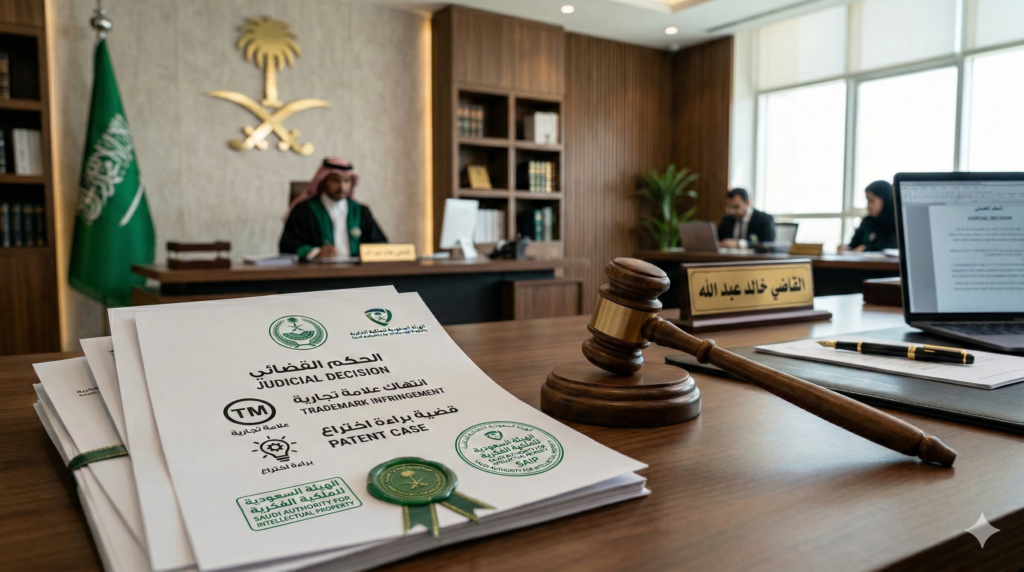
Intellectual property rights in Saudi Arabia are governed by a blend of national regulations, Sharia law principles, and international treaties. The Kingdom has progressively aligned its legislative framework with global standards, notably through its membership in the World Intellectual Property Organization (WIPO) and adherence to international conventions like the Paris Convention and the TRIPS Agreement. IP refers to creations of the mind, including trademarks, patents, copyrights, industrial designs, and trade secrets, all of which have legal protections under Saudi law. The primary purpose of these protections is to incentivize creativity and investment, prevent unfair competition, and foster innovation and economic growth.
- Trademarks: Signs, logos, or expressions that distinguish goods or services
- Patents: Exclusive rights granted for inventive products or processes
- Copyright: Protection for literary, artistic, and scientific works
- Trade secrets: Confidential business information with commercial value
Trademarks: Registration and Infringement
Trademarks serve as invaluable assets to businesses, symbolizing reputation and brand identity in the marketplace. The Saudi Trademark Law—enforced by the Saudi Authority for Intellectual Property (SAIP)—governs the registration, protection, and enforcement of trademarks. Registration with SAIP confers exclusive rights to the owner, enabling them to prevent unauthorized use, imitation, or exploitation of their mark.
Common Forms of Trademark Infringement
Trademark infringement typically arises when a party uses a protected mark without authorization, causing confusion among consumers. Common infringement scenarios include counterfeit products, unauthorized reselling, and domain name squatting.
- Using a mark identical or confusingly similar to a registered trademark
- Selling counterfeit or pirated goods
- Importing or distributing infringing goods
- Online marketplace violations and cybersquatting
Violations are addressed through administrative procedures, civil claims, and even criminal prosecution. Saudi Arabia’s robust e-commerce growth means online infringement is a growing concern addressed by local laws and international collaborations.
Trademark Protection Measures
Owners should regularly monitor the marketplace and online platforms for potential infringements. Taking prompt action through cease-and-desist notices, official complaints to SAIP, or initiating litigation ensures effective defense of trademark rights and reduces the risk of reputational harm.
Patents: Registration, Scope, and Infringement
Patents protect novel inventions by granting inventors exclusive rights to exploit their creations for a defined period, usually 20 years. The Saudi Arabian Patent Law—administered by the SAIP and the Gulf Cooperation Council (GCC) Patent Office—requires applicants to disclose their invention in detail so the public, after the protection period, may benefit from the scientific knowledge.
What Constitutes Patent Infringement?
Patent infringement occurs when an unauthorized party manufactures, uses, sells, or imports a patented invention without the owner’s consent. Given the complexity of patented technologies, infringement may not always be straightforward, especially with minor variations or “equivalents” of protected inventions.
- Direct copying or unauthorized manufacturing
- Supplying components for use in infringing products
- Utilizing processes or methods covered by another’s patent
- Importing patented goods or counterfeits
Patent owners can pursue infringement claims through civil courts, seeking injunctions and damages. In severe cases, criminal actions may be initiated, especially if infringement is willful or recurrent.
Patent Litigation and Dispute Resolution in Saudi Arabia
Disputes are usually settled before the Committees for the Resolution of Patent Disputes or, in some cases, administrative authorities. The litigation process involves technical and legal assessments, and expert testimony often plays a crucial role in assessing whether infringement has occurred.
Penalties for Intellectual Property Infringement
Saudi Arabia imposes stringent penalties for intellectual property infringement to deter violations and safeguard the confidence of innovators and brand owners. These penalties are detailed in specific statutes for trademarks and patents, with certain offenses also falling under criminal law.
- Fines: Monetary penalties may exceed hundreds of thousands of riyals depending on the nature and scope of infringement.
- Imprisonment: For severe or repeated violations, jail sentences up to several years may be imposed.
- Compensation: Courts may award damages to compensate right-holders for financial losses and reputational harm.
- Destruction of Goods: Confiscation and destruction of infringing products are common orders in trademark and patent cases.
- Publication Orders: Offenders may be ordered to publicly acknowledge infringement at their own expense.
Saudi laws also empower regulatory authorities to take ex officio actions—including border seizures, raids, and market inspections. Repeat offenders may face escalated penalties, while amicable settlements are encouraged but subject to court approval.
Administrative and Civil Remedies
Aside from criminal penalties, victims of infringement can seek administrative orders, civil claims for damages, and even injunctive relief to immediately halt infringing activities. Fast-track procedures are available for urgent matters, reflecting the Kingdom’s commitment to strong IP enforcement.
Customs, Border Protection, and Online Enforcement
Customs authorities and SAIP play a strategic role in intercepting infringing goods at borders. Saudi Arabia has also developed advanced digital tools to tackle online piracy and counterfeiting, working closely with marketplace operators, ISPs, and right holders. Digital piracy has seen tighter controls, especially in areas such as software, media, and branded goods.
- Border seizures for counterfeit goods
- Notice-and-takedown mechanisms on digital platforms
- Cooperation with global anti-counterfeiting networks
- Legal action against online sellers and website operators
Continued vigilance is necessary as cyber-infringement grows; businesses should leverage modern IP surveillance tools and work with experienced legal counsel.
Defending Against Infringement Claims
If accused of infringement, prompt and strategic legal advice is essential. Defendants may contest the validity of the IP right itself, argue for lack of similarity, or seek out-of-court resolutions. Saudi legal practice also emphasizes mediation and arbitration for complex cases alongside litigation.
- Challenging trademark or patent validity
- Proving independent creation or fair use
- Negotiating settlements to avoid or limit penalties
While robust legal defense is crucial, adherence to best commercial practices and proactive compliance reviews are the most effective protection.
Best Practices for Businesses and Creators
Mitigating the risks of intellectual property infringement in Saudi Arabia requires diligence, education, and continual adaptation to evolving laws. Businesses, inventors, and creatives are advised to register their brands and inventions promptly, conduct IP audits, and instill a culture of compliance across their supply chains.
- Register trademarks and patents with SAIP and relevant authorities
- Monitor local and online markets for infringing activities
- Draft comprehensive contracts with IP clauses for employees and partners
- Educate staff on IP protection, liability, and reporting procedures
- Consult legal professionals regularly to adapt to legislative updates
Cultural and legal nuances of the Saudi market—including the influence of Islamic law—make expert local advice essential for both foreign and domestic entities.
Role of Turki Al-Juraiss Law Firm and Industry Outlook
Turki Al-Juraiss Law Firm is recognized for insight into Saudi legislation and the complex intersection of IP rights, market forces, and regulatory policies. The Saudi government’s strategic push to foster innovation, diversify the economy, and attract foreign investment has led to a sharp focus on strengthening IP enforcement, evident in recent legislative amendments and increased SAIP activity.
With Vision 2030 as a backdrop, businesses can expect evolving standards and more robust legal recourse in case of infringement, ensuring Saudi Arabia remains a safe jurisdiction for creative and technological advancement.
Contact us on WhatsApp to book a legal consultation
Frequently Asked Questions (FAQs) on IP Infringement in Saudi Arabia
To provide further clarity, here are answers to some of the most common concerns raised about IP infringement in Saudi Arabia:
- How can I recognize IP infringement? — Look for unauthorized use, copying, or sale of your protected works, especially in online marketplaces and physical markets.
- Are unregistered trademarks protected? — While registration offers stronger and clearer protection, some unregistered trademarks may receive limited safeguards under the concept of well-known marks.
- Can I enforce a foreign patent in Saudi Arabia? — Only patents registered locally or with the GCC Patent Office can be enforced within Saudi Arabia.
- What should I do if my IP is infringed? — Collect evidence, file complaints with SAIP or customs, and consult a qualified legal advisor promptly.
- Are criminal penalties common? — Severe or repeated infringement, especially with commercial intent, is more likely to result in criminal sanctions.
Conclusion
The infringement of intellectual property in Saudi Arabia—especially involving trademarks, patents, and the rigorous penalties associated—demands comprehensive understanding and proactive legal management. Robust laws, effective enforcement, and severe penalties ensure protection for innovators, businesses, and rights-holders amid a competitive economic landscape. By registering IP, monitoring the marketplace, and seeking expert advice, individuals and companies position themselves to maximize value, foster innovation, and avoid costly disputes. Navigating this landscape is essential as Saudi Arabia continues its trajectory as a major global business and innovation hub.
Infringement of intellectual property in Saudi Arabia brings significant legal and financial risks; always act proactively to safeguard your rights and interests.